Recipe
Mango Pudding
- Prep
- 15 min
- Total
- 4 hr 15 min
- Serves
- 6
Ingredients
Showing metric amounts (grams, ml and °C)
Method
Step 1: Cut the cheeks from the mangoes and scoop out the flesh. Set aside about half a cup of the flesh, cut into small cubes. Blend the rest until completely smooth. You should have about 425 ml of purée.
Step 2: Put the boiling water and sugar in a heatproof jug and stir until the sugar dissolves. Sprinkle the gelatine over the top and whisk with a fork until there are no lumps left.
Tip: If any grains of gelatine won't dissolve, sit the jug in a bowl of hot water for a couple of minutes and stir again.
Step 3: Whisk the gelatine mixture into the mango purée, then whisk in the milk and cream until smooth.
Step 4: Leave the mixture on the bench for about 15 minutes, stirring now and then, until it's at room temperature.
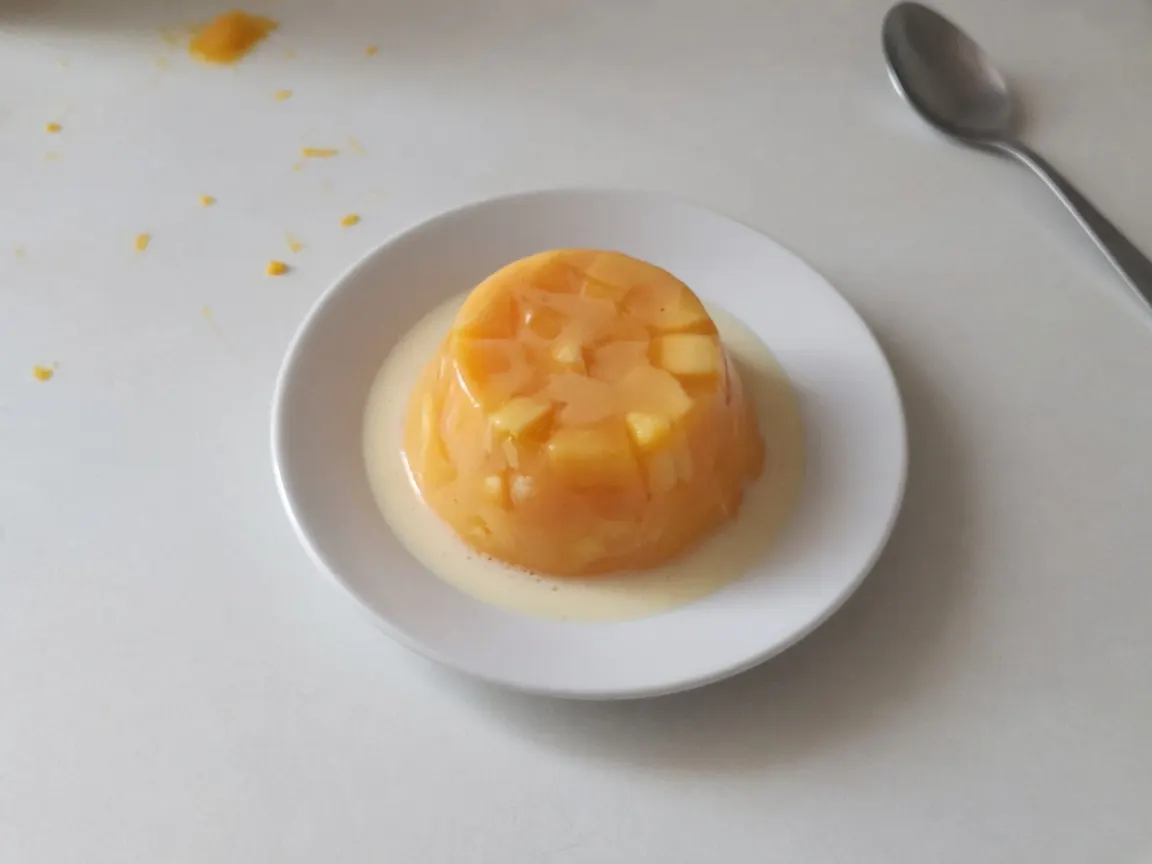
Step 5: Divide the cubed mango between six 150ml moulds, ramekins or glasses. Pour the pudding mixture over the top.
Step 6: Cover and refrigerate for at least 4 hours, until set. To serve in moulds, dip each one in hot water for 5 seconds and turn out onto a plate. Pour a little evaporated milk around each pudding.
Tips
- Blend the mango until there are no fibres left. If your mangoes are stringy, push the purée through a sieve.
- Lightly oil the moulds with a neutral oil if you plan to turn the puddings out. They release more cleanly.
- Make them a day ahead for a dinner party. They hold well and the flavour is even better the next day.
Variations
- Coconut mango pudding: use coconut milk instead of full-cream milk and coconut cream instead of thickened cream for a dairy-free version.
- Agar: replace the gelatine with 1 1/2 tsp agar powder boiled with the water and sugar for 2 minutes. The set is firmer and it sets faster, even at room temperature.
- Frozen mango: thawed frozen mango cheeks work out of season. Add an extra tablespoon of sugar if they taste flat.
Storage and make-ahead
Keeps covered in the fridge for up to 3 days. Not suitable for freezing, as the texture turns grainy once thawed.
Nutrition per serving, estimated
- Calories
- 200
- Protein
- 4g
- Carbs
- 29g
- Fat
- 8g