When I think of a cozy family meal, my mind often wanders back to Sunday afternoons at my grandmother's house. The kitchen was filled with the scent of onions slowly caramelizing in a pan and the comforting hum of something simmering away on the stove. My grandmother, an Italian immigrant, was a magician with her hands, transforming simple ingredients into meals that felt like a warm hug. One of her specialties was beef and cheese manicotti. She would spread a red-checkered cloth across the dining table, and we’d gather around, plates in hand, eagerly waiting for the first bite.
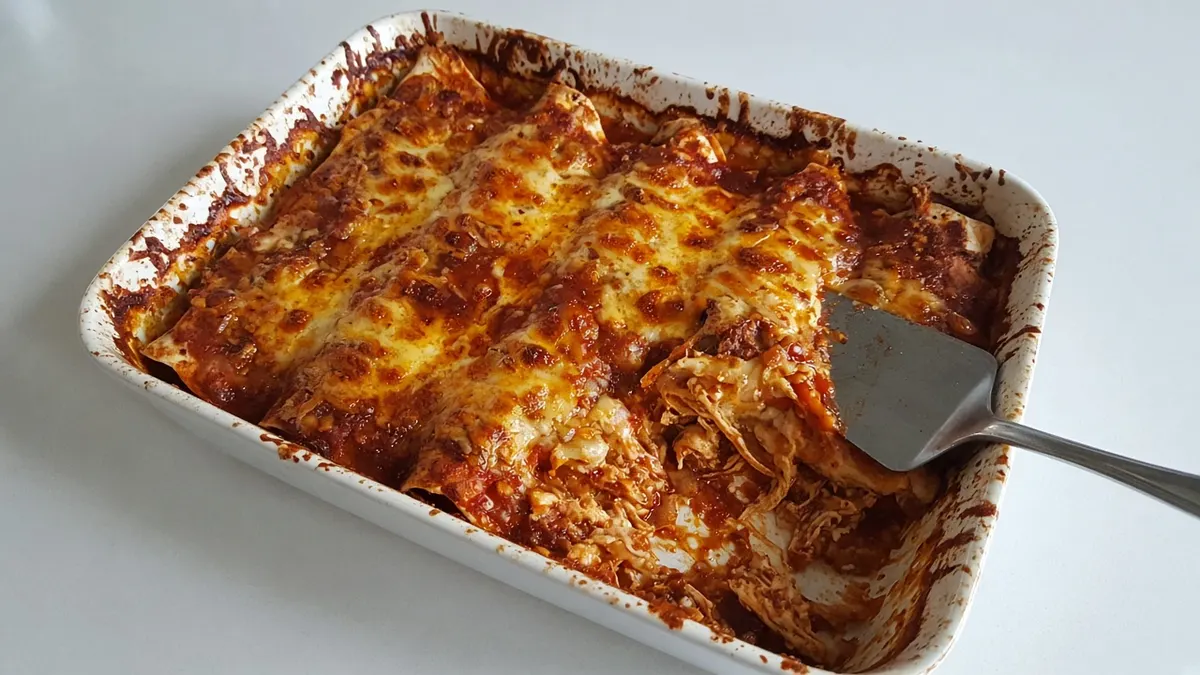
The manicotti were always served bubbling hot from the oven, and biting into one was like unveiling layers of rich, homey goodness. I remember the way the ricotta cheese melted perfectly with the robust flavors of the beef, all wrapped in a tender pasta shell. We often enjoyed this dish during cooler months, particularly in fall when the leaves began to change and a chill settled in the air. On many a chilly evening, our family would gather to savor this hearty meal. It was comfort food in every sense, warming us from the inside out.
We’d huddle around the table, sharing stories of our week and reliving memories while the manicotti provided a delicious backdrop to our conversations. There’s something about cheesy pasta and savory beef that brings people together, encouraging them to linger a little longer at the table and share just one more story or laugh. The combination of key ingredients in this dish creates an interplay of flavors and textures that is truly satisfying. The extra virgin olive oil is where it all starts, lending a subtle, fruity aroma as it coats the onion and ground beef. The onion, chopped coarsely, brings a slight sweetness once it softens, while the beef contributes a rich, savory depth.
When cooked together, these foundational flavors bloom into something intensely flavorful. The mixture of ricotta, mozzarella, and Parmesan cheeses is the creamy complement that balances the richness of the beef. Ricotta, with its mild, slightly sweet flavor and smooth texture, fills the manicotti shells perfectly, while the mozzarella, with its melty, stretchy quality, covers the surface, bubbling to a golden finish. Parmesan, being the sharper of the three, adds that extra kick and a hint of nuttiness, tying everything together. Understanding why these ingredients work so well together comes down to their texture and flavor profiles.
The beef, when seasoned with a pinch of sea salt and freshly ground black pepper, adds a hearty bite. The combination of cheeses not only offers creaminess but also provides a wonderful contrast against the meat. The manicotti shells, when cooked just right, are tender and slightly al dente, ensuring that every bite has a pleasant chewiness. This textural contrast between the soft, cheesy interior and the tender pasta shell is what makes each mouthful so satisfying. Plus, the slight tanginess of the tomato sauce, if you choose to use it, cuts through the richness, adding a layer of acidity that helps balance the dish.
Cooking beef and cheese manicotti isn’t difficult, but there are a few tips I’ve picked up over the years that make the process smoother. First, make sure not to overcook the manicotti shells. They should be boiled just until al dente to prevent them from becoming mushy when baked. A little firmness ensures they hold their shape when stuffed. When filling the shells, using a piping bag or a resealable bag with the corner cut off can make the job less messy and more efficient.
It’s also important to drain the ground beef well once it’s cooked to prevent the dish from becoming greasy. And when it comes time to bake, covering the dish with foil for the first half of the baking time helps prevent the cheese from browning too quickly, ensuring everything is heated evenly. The origins of beef and cheese manicotti have roots in Italian-American cuisine. While traditional Italian manicotti might differ slightly, the Americanized version often includes more cheese and beef, making it a heartier meal. It was likely adapted to fit the ingredients that were more readily available in the United States, as Italian immigrants sought to recreate the flavors of their homeland with what they had on hand.
This dish has since become a staple in many American households, beloved for its comforting qualities and ability to feed a crowd. Its cultural significance lies in its adaptability and how it bridges the gap between Italian culinary traditions and American tastes. This dish has found a special place in many kitchens because of its ability to bring people together and its straightforward, satisfying nature.
It doesn’t require any fancy ingredients or complex techniques, making it accessible to cooks of all levels. Yet, the end result is a meal that feels like a special occasion every time. There's something about a dish that, while simple in construction, fills the home with warmth and rich aromas, creating a gathering around the table. It's a testament to how food can carry traditions forward, transforming an ordinary day into something memorable.