There’s something about a hearty stew that brings back memories of cozy winter evenings at my grandma's house. I remember the warmth that would greet us as we walked in from the crisp, cold air outside. She always had a pot simmering on the stove, the aromas of savory spices and tender meats filling the kitchen. One particular evening, she introduced us to her twist on an Italian classic – a dish she felt was a nod to the spicy, comforting meals she loved. It was a chilly February weekend, and snowflakes were gently falling outside.
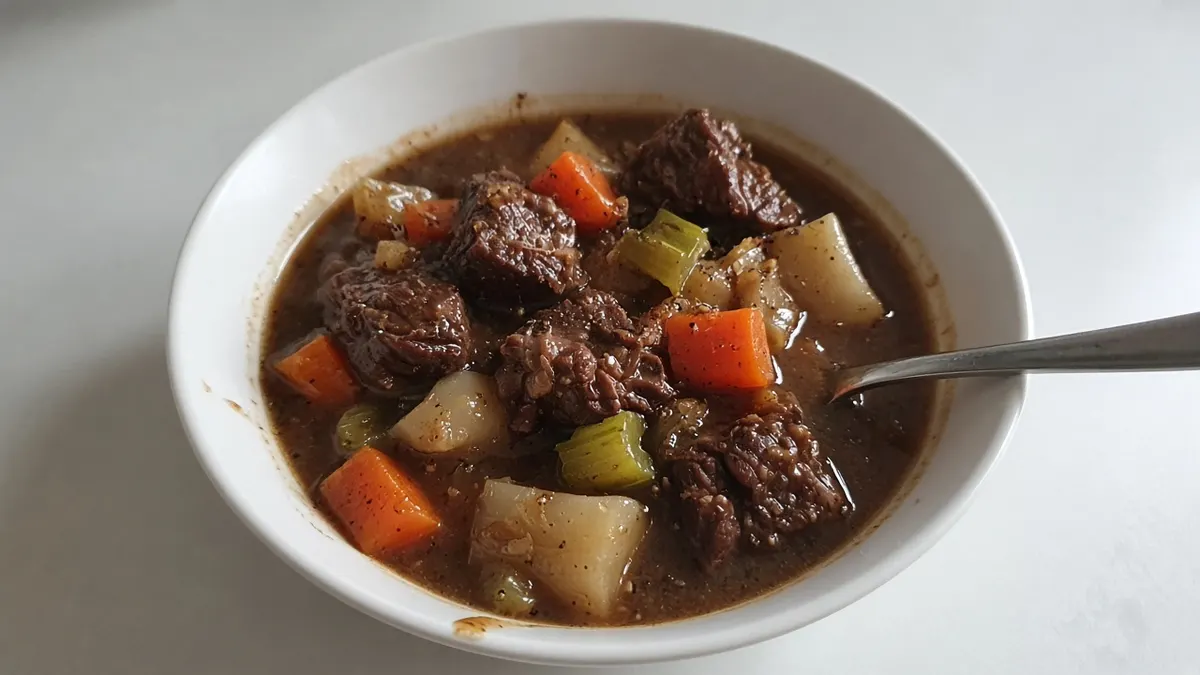
We gathered around the kitchen table as she set steaming bowls of chicken arrabbiata stew with parmesan dumplings in front of us. The rich, tomato base with spicy notes was unlike any stew I’d tasted before, and those soft, cheesy dumplings were the perfect complement. Grandma had a way of making meals feel like a cozy embrace, and that night was no different. This dish has become one of my go-to recipes when the temperature drops and I’m craving something warming and substantial.
It’s the kind of meal that’s ideal for a quiet night in or when you’re looking to impress guests without too much fuss. Snow days, too, call for this kind of comfort food. The world outside might be covered in a blanket of white, but inside, you're wrapped in the aromatic embrace of hearty stew and soft dumplings. Picture this: a winter evening, the world outside still and silent, and the comforting sound of bubbling stew as you curl up with a good book or favorite show. It's a simple pleasure that warms the soul.
The real magic of this dish lies in the way the ingredients blend together to create layers of flavor. Start with the extra virgin olive oil, which adds a fruity richness to the base. As the onions caramelize in the oil, they bring a natural sweetness that balances the heat of the chili flakes. The chicken thighs, once browned, contribute a hearty, savory depth that only gets better as it cooks. Crushed garlic adds its aromatic touch, weaving its way into the sauce.
Then there’s the sun-dried tomato pesto, which really steals the show. It adds a concentrated tomato flavor and a hint of smokiness that pairs beautifully with the mild acidity of the canned tomatoes. The chicken stock ties everything together, creating a broth that’s both rich and slightly tangy, making each spoonful feel like a comforting hug. Don’t even get me started on those parmesan dumplings. They’re tender, with just the right amount of cheesy, nutty flavor to complement the stew without overpowering it.
As they cook, they soak up the flavorful broth, becoming little pillows of goodness. The texture is key here – they’re not too heavy, thanks to a careful balance of flour and cheese. It’s these dumplings that make the dish special. They’re not just an accompaniment; they’re a star in their own right. When you break into one with your spoon, the soft interior releases a subtle parmesan aroma that’s utterly inviting.
When cooking this dish, here are a few tips that might help you along the way. First, don’t rush the browning of the chicken. Browning adds flavor and depth, so take your time to get a good sear. Another tip is to use a heavy-bottomed pot or Dutch oven.
It helps maintain a steady temperature and ensures even cooking. When adding the canned tomatoes, consider letting them simmer a bit longer to break down and meld with the other flavors. It’s worth the extra patience. As for the dumplings, make sure your broth is gently simmering when you drop them in. You want them to cook through without breaking apart.
Lastly, taste as you go. The saltiness of the parmesan might mean you need less salt than expected in the stew. The dish itself has roots that span cultures, combining elements of Italian and American home cooking. Chicken alla arrabbiata, known for its spicy tomato sauce, is a beloved Italian dish that’s been adapted and embraced worldwide. It typically features a simple sauce made from garlic, tomatoes, and chili, offering a spicy kick that’s both invigorating and satisfying.
By combining it with dumplings, this recipe offers a unique twist, marrying Italian and American comfort food traditions. It’s a dish that speaks to the adaptability and fusion of cuisines, showing how culinary boundaries can be deliciously blurred. People often make this dish not only for its comforting qualities but also because it feels timeless and familiar, yet excitingly new. It’s a dish you can share with family, reminiscent of those meals where everyone gathers around the table. The cultural significance lies in its ability to be both homely and innovative.
It represents a blend of tradition and creativity, bringing people together over a shared love for food and community. It’s a reminder of how food can evoke memories, create new traditions, and bring warmth and joy to our lives, just like those cherished evenings at grandma's house.