There's just something about a creamy custard sauce that takes me back to my grandmother’s kitchen. I remember being a little kid, standing on a stool so I could see over the counter, watching her as she deftly stirred a pot of what seemed like magic to me at the time. Her hands moved with such confidence, and she’d always have a little smile playing on her lips. The kitchen would be filled with the warm, sweet scent of vanilla that made it feel like home. My grandmother, Sadie, wasn’t a professional chef, but she cooked with so much love and attention that everything tasted special.
One of her secret weapons for making a simple dessert extraordinary was her homemade custard sauce, similar to what we know as Crème Anglaise. She would often make it for special Sunday dinners when the whole family gathered around the table. We weren’t fancy folks, but we knew how to appreciate good food. After a hearty meal, she would bring out a warm pie or a simple cake, and out came the saucepot filled with that luscious, vanilla-infused custard. Pouring it over dessert felt like a nod to tradition, a little extra touch that showed the care and effort she put into feeding her family.
Even now, decades later, every time I make Crème Anglaise, I’m reminded of those cozy afternoons and the joy of being surrounded by loved ones. To me, this custard sauce feels especially right in the fall. There’s something about the cooler air, crisp leaves, and the warmth of the kitchen that makes you crave creamy, comforting flavors. Picture this: a chilly evening with a sweater on, a mug of hot apple cider in hand, and the inviting scent of vanilla wafting through the house. It’s the time of year when desserts want to be a little more indulgent, and a spoonful of Crème Anglaise over a spiced apple cake or a rustic pear tart fits the bill.
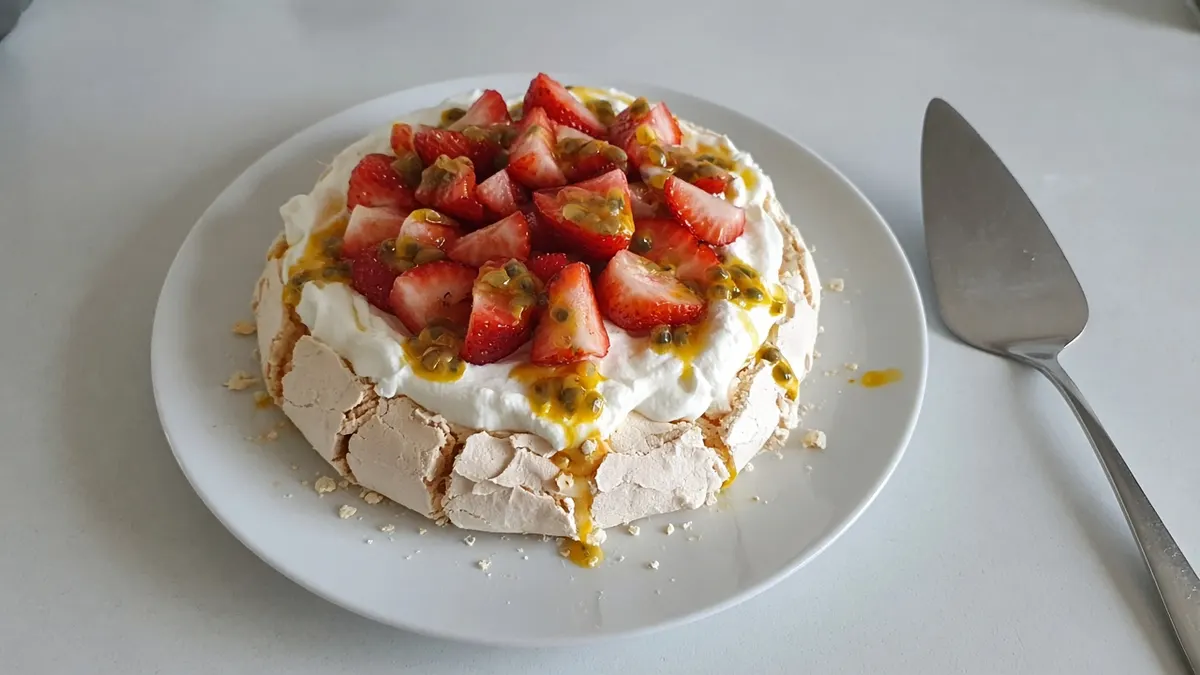
You can even drizzle it over a bowl of fresh berries for a touch of elegance without being overly fussy. The beauty of Crème Anglaise lies in its simplicity, yet it feels quite luxurious. The combination of egg yolks, sugar, whole milk, heavy cream, and vanilla creates a silky texture and rich flavor that’s hard to resist. Egg yolks are the foundation of the custard, providing that smooth, velvety consistency we all love. They also lend a subtle richness that complements the sweetness of the sugar.
As the custard gently cooks, the sugar dissolves and melds with the yolks, creating a sweet foundation that’s anything but cloying. It’s the kind of sweetness that wraps around your taste buds like a warm hug. Then there’s the dynamic duo of whole milk and heavy cream. Together, they create a creamy base that’s neither too heavy nor too light. The milk offers a bit of lightness, while the cream adds body and depth.
This balance ensures that the custard coats the back of a spoon perfectly without being overly rich. And let’s not forget the vanilla bean, which is the true star of the show. When you split that fragrant pod and scrape out the seeds, you unleash a fragrant bouquet that perfumes the entire dessert. The vanilla adds a floral sweetness and a sophisticated touch that elevates the custard to something special. Now, let me share a few tips I’ve picked up over the years to ensure your Crème Anglaise comes out just right.
First, patience is key when whisking the egg yolks and sugar. You want to whisk until the mixture becomes pale and thick, which means the sugar is well incorporated, and you’re setting the stage for a smooth custard. When it comes to heating the milk and cream, keep an eye on the pot. You want them warm, not boiling. Bringing them up to just under a simmer ensures that when you mix them with the eggs, you don’t end up with scrambled eggs.
Tempering the egg mixture is another crucial step. Slowly drizzling the warm milk and cream into the yolks while whisking continuously prevents the eggs from cooking too quickly. And once everything’s combined, a gentle heat and constant stirring are your best friends. You’ll know the custard is done when it coats the back of a spoon, and you can run your finger through it, leaving a clear path. Finally, if you want the silkiest texture possible, you can strain the finished custard through a fine mesh sieve to catch any stray bits of cooked egg.
Crème Anglaise has roots in French cuisine, where it’s often used to accompany desserts or as a base for other treats like ice cream. The name itself translates to “English cream,” hinting at its origins as a sauce enjoyed in both French and English cooking. While it’s considered a classic component of European desserts, it’s been embraced around the world for its versatility and sophisticated flavor. Home cooks and professional chefs alike treasure it for its ability to turn even the simplest sweets into something that feels extravagant. It’s a nod to tradition while also offering endless possibilities for modern adaptation.
Making this sauce is like participating in a time-honored ritual, connecting you to generations of cooks who’ve stirred a pot of custard and ladled it over something special. Whether you’re serving it for a special occasion or just to make an ordinary day feel a little more indulgent, Crème Anglaise is a classic that never goes out of style.