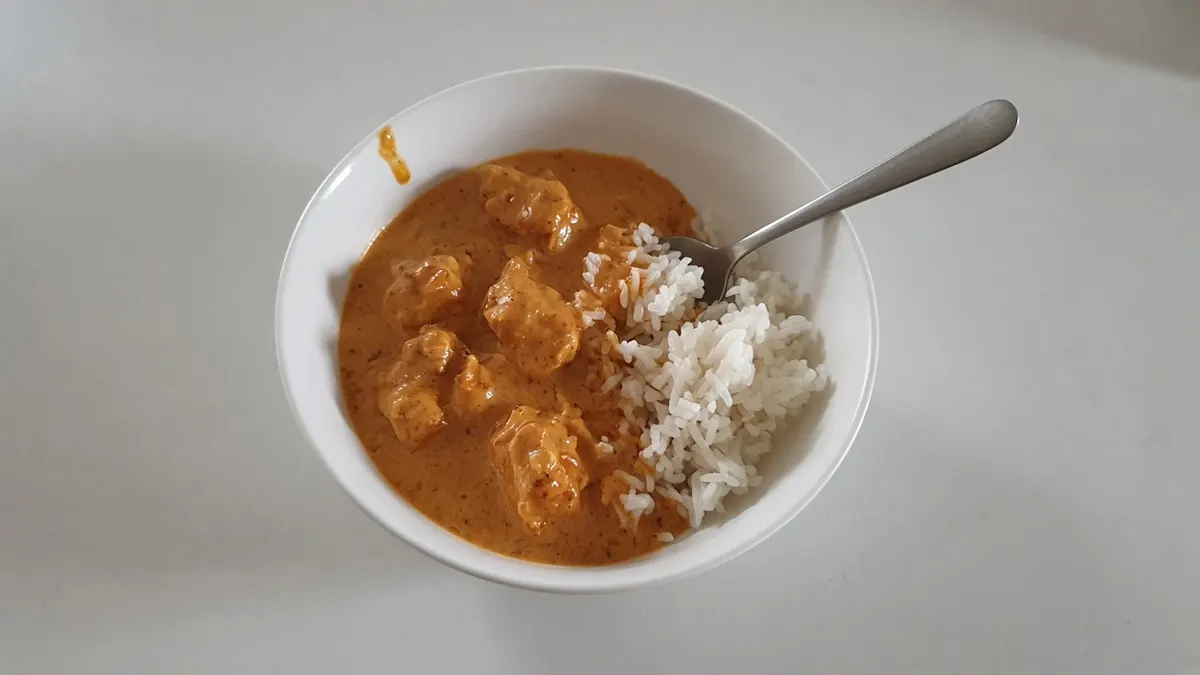
I remember the first time I tried making a fish korma, it was a chilly fall evening when my friend Jenny came over for dinner. Jenny had always been a bit of a health nut, and she loved experimenting with different dishes. We decided to cook together, something hearty and comforting but also light enough that we wouldn’t feel guilty about indulging. We flipped through a few cookbooks, and then she suggested a korma dish. The idea intrigued me.
While I’d always associated korma with creamy curries rich with meat or chicken, the thought of a fish version made my mouth water immediately. As we chopped ingredients and simmered away in the kitchen, the aromas filled the air, and soon enough, we were indulging in a version that was not only flavorful but also easy on the waistline. Our laughter echoed in the kitchen as we chatted about old college days, and the spicy warmth of the korma seemed to complement the company perfectly. The evening was all about warmth, friendship, and the joy of cooking together. That particular dish stayed in my memory, not just for the taste but for the simple joy and creativity it brought into my kitchen.
I found myself adopting that recipe into my regular cooking rotation, intrigued by how a few simple changes could make a classic dish both healthier and, to my surprise, just as satisfying. When I think about when this dish fits perfectly into my schedule, it’s those in-between seasons, like autumn or spring. During those months, you want something substantial enough to keep you cozy but light enough that you feel good about what you’re eating. It's also fantastic for a casual dinner party. Pair it with a nice glass of white wine, and it's an instant hit.
The best part is that while it has that sophisticated flavor profile, it doesn’t weigh you down. Plus, it’s always great to impress your friends with something they might not make at home themselves. Now, let’s talk about why this version of fish korma works so well. The brown basmati rice is a hearty base, giving the dish some nutty undertones. It contrasts nicely with the creamy sauce, which comes from using yogurt instead of the traditional cream or coconut milk.
The yogurt provides a tanginess that balances the spices beautifully. Then, you've got the rapeseed oil, which is a light and healthy choice for cooking. It has a mild flavor, ensuring it doesn’t overpower the dish, just complements it. Now, add finely chopped brown onions and ginger, which create a sweet and spicy foundation that elevates the sauce. The star of the dish is the cod, which holds up beautifully in the simmering sauce.
It flakes perfectly, absorbing the lush spices without becoming overpowered. The turmeric, coriander, and cumin create a warm, earthy flavor profile that’s the essence of comfort. The courgette, or zucchini, adds texture and a subtle sweetness. Unlike traditional korma versions that might be heavily reliant on cream and nuts, the almonds here are sprinkled in for a bit of crunch. This contrast of creamy and crunchy is part of what makes every bite interesting.
The whole thing comes together in a way that feels like a hug in a bowl. If I could offer some tips that I’ve picked up along the way, they’d be simple but effective. First, when you’re chopping onions and ginger, take your time to get them as fine as possible.
This ensures they melt into the sauce beautifully. A sharp knife is your best friend here. Also, don't skimp on the spices, but make sure to toast them lightly at the beginning to release their oils and deepen the flavor. Another little trick is to salt the cod slightly before cooking. It seasons the fish all the way through and helps it hold its shape in the sauce.
Finally, let the yogurt come to room temperature before adding it in. This helps prevent it from curdling when it hits the warm pan. Korma has its origins in the Mughal kitchens of India, a dish meant for royalty, filled with rich spices and a luxurious finish. It traditionally involves slow-cooking meat with a mix of spices and cream or yogurt, making it a beloved dish for special occasions. Over time, as with many traditional recipes, it has been adapted and modified for different palates and dietary needs.
The beauty of korma is its versatility. It's a dish that can be rich and indulgent or, as in this case, light and healthy, yet still maintaining its sumptuous essence. People make it for celebrations, family gatherings, and now in homes worldwide, it's a symbol of culinary fusion. The cultural significance of korma is deeply rooted in its ability to bring people together. It's a dish that’s shared, enjoyed, and talked about around the table.
Whether it's a family meal on a weekday or a weekend feast with friends, preparing and eating korma is about connection. In my kitchen, every time I make this fish korma, I’m reminded not only of that first night with Jenny but of the endless possibilities in cooking, where tradition and innovation meet to create something new and exciting. It's these little moments, gathered around a table with friends or family, that make cooking such a special part of life.