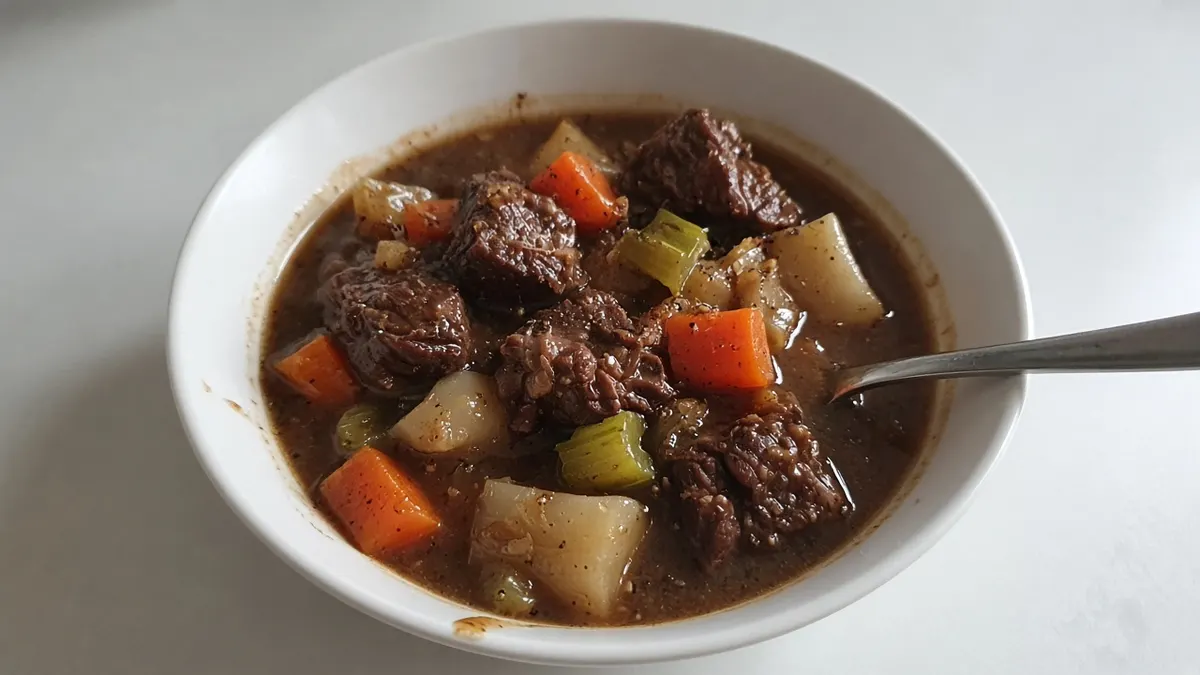
Growing up, Sunday evenings at my grandmother’s house were a cherished tradition that I always looked forward to. We'd gather around her well-worn kitchen table, the scent of something hearty and comforting filling the room. One dish that always stood out was her version of ragu, simmering away on the stove while stories and laughter filled the air. Her approach was simple yet filled with love, using whatever vegetables she had on hand to stretch the meat and feed us all. I remember helping her slice onions and grate garlic, little hands trying to mimic her practiced movements.
The warmth of those evenings stays with me, and I often find myself trying to recreate that same comforting atmosphere in my own kitchen. It’s funny how certain meals transport us to a different time and place, isn’t it? Now that I have my own family, I try to carry on those traditions, especially during the fall when the days start getting shorter and the air turns crisp. It’s the perfect season for a hearty meal that warms you from the inside out. Our version of a healthy ragu has become a staple during the cooler months.
It just makes sense when you want something filling but not overly heavy. Plus, knowing that it's packed with vegetables gives me a little peace of mind when I’m serving it to my kids. There’s something particularly cozy about curling up with a bowl of ragu on a chilly evening, perhaps after a long walk through fallen leaves. The magic of this ragu lies in its combination of flavors and textures, which come together beautifully.
The rapeseed oil gives the dish a subtle, nutty undertone that’s different from the olive oil used traditionally in Italian cooking. It sets the stage for the onions to caramelize just right, adding a gentle sweetness to the base of the sauce. Fresh garlic brings its distinct pungency, mellowing as it cooks and infusing the entire pot with depth. The 5% fat steak mince is lean, which means the dish stays light, yet it still brings that hearty meaty flavor we all crave in a ragu. It’s the carrots that surprise people.
You might not think of them as a key component, but they add both sweetness and a bit of texture, complementing the meat and thickening the sauce. Each spoonful feels like a little taste of everything that’s been simmering together. The passata, with its smooth, rich character, binds all the ingredients together, creating a sauce that’s both robust and soothing. Then, there’s the thyme. Just a tablespoon, but it’s enough to lend an earthy, aromatic quality that enhances every other ingredient in the pot.
Finally, the vegetable bouillon powder is a little secret weapon of mine. It boosts the complexity of the flavor profile, making everything taste like it’s been cooking for hours when really, the whole thing comes together in under an hour. Over the years, I’ve picked up a few tips that make cooking this ragu a little easier and tastier. First off, don’t rush the onions.
Let them cook slowly until they’re soft and slightly caramelized. They’re the backbone of your sauce, so it’s worth taking the time. Secondly, when browning the mince, do it in batches if needed.
Crowding the pan can lead to steaming rather than browning, and that initial caramelization is key to building flavor. Another tip is to grate the garlic and carrots finely. The garlic will melt into the sauce, and the carrots will cook more quickly, their sweetness dispersing more evenly throughout the dish. Lastly, a splash of the cooking liquid from whatever starch you’re serving, like pasta or potatoes, can help the sauce cling better, enhancing each bite. Ragu, at its heart, is about simplicity and adaptability.
It’s a dish that has its roots in rustic, home-style cooking, where families made do with what was available and stretched ingredients to feed everyone at the table. While traditionally associated with Italian cuisine, this American version has a lighter twist that suits modern tastes and health-conscious choices. It’s a dish that’s been adapted in kitchens all over the world, cherished for its comforting nature and the way it brings people together. People make ragu because it’s more than just a meal. It’s a way to connect with the past while nourishing the present.
There’s something about the act of cooking it that feels like a ritual, a chance to slow down and savor the process of creating something from scratch. In our fast-paced world, it’s nice to have a dish that demands a little time and patience, rewarding you with a meal that tastes like home. Every time I make it, I think of my grandmother and those Sunday evenings, and I hope I’m passing on that same sense of warmth and comfort to my own family.