I remember the first time I encountered a rich, simmering bowl of sancocho. It was on a chilly autumn evening at my friend Maria's house. Maria, who hails from Puerto Rico, had invited a few close friends over for dinner. She wanted to share something from her roots, something that would fill our bellies and warm our hearts. As we entered her kitchen, the aroma of beef, garlic, and spices greeted us.
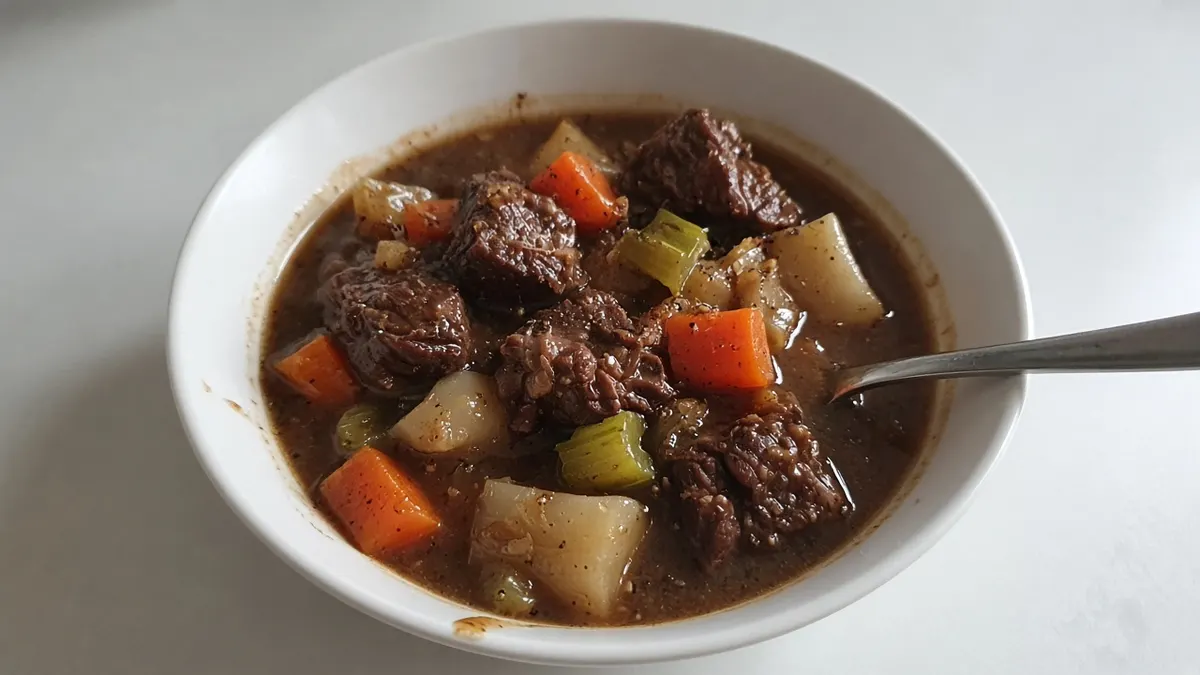
There was a sense of anticipation in the air, mingling with the steam that danced around the room. Maria’s kitchen was modest, yet full of life. Her well-loved wooden table was set with simple, colorful plates, and the chatter of catching up with friends filled the air as we all settled in. That evening, Maria served us big bowls of sancocho, a hearty stew brimming with beef short ribs, chunks of plantain, yuca, and corn. At first glance, it was a rustic dish, but one spoonful revealed layers of flavors that were both comforting and exhilarating.
The beef was so tender it practically fell apart, and the vegetables were cooked just right, allowing each to retain its own character while blending harmoniously with the others. I remember looking around the table, seeing smiles and nods of approval from my friends. We felt like we had been transported to a tiny island where time slowed down, letting us savor each bite and each other’s company. Sancocho is one of those dishes that seems especially fitting during the colder months. When the weather outside turns brisk, and the days grow shorter, that’s when this stew really shines.
It’s a meal that begs to be enjoyed slowly, in the warmth of a cozy kitchen, perhaps with a glass of red wine or a cold beer if that’s more your style. It’s also ideal for casual gatherings or family dinners, where everyone can help themselves from a big pot on the stove. The beauty of sancocho is that it brings people together, creating an atmosphere of shared comfort and joy, as everyone digs into their bowls and savors the experience of a meal made with love. Now, let’s talk about why the combination of ingredients in sancocho works so well. You start with English-style bone-in beef short ribs, which are known for their deep, robust flavor and their ability to tenderize beautifully during slow cooking.
The meat’s richness pairs perfectly with the sazón con culantro y achiote, a seasoning blend that adds a subtle earthiness and warmth. It's like wrapping yourself in a cozy blanket from the inside out. The meat infuses the broth with its essence, while the seasoning rounds out the flavors, creating a base that’s both savory and soothing. The vegetables and roots featured in the sancocho are crucial in balancing the dish. Plantains and yuca add a starchy, creamy element that contrasts with the hearty beef.
They both absorb the flavors of the broth, becoming tender and almost silky as they cook. The green bell pepper and Cubanelle add a mild sweetness, while onions and garlic provide a savory depth. Each vegetable contributes its own texture and taste, creating a complex, satisfying dish that dances between sweet, savory, and earthy notes. It’s these layers of flavors and textures that make every spoonful a little different, keeping you intrigued and eager to enjoy each bite. Whenever I make sancocho at home, there are a few practical tips I always keep in mind.
First, give your beef ribs a good sear before adding them to the pot. This step locks in the juices and adds a depth of flavor to the stew. Don’t rush this part, as the caramelization you get from searing is key to a rich broth. Second, let the stew simmer at a low temperature for several hours.
This slow cooking process not only allows the flavors to meld beautifully but also ensures the meat becomes tender and juicy. Patience really pays off here. Finally, taste as you go.
Once the stew is nearly done, check for seasoning. You might find it needs a touch more sazón or a pinch of salt to enhance the flavors. And don’t forget about the optional fresh cilantro or culantro for serving. A sprinkle over each bowl right before serving adds a bright, fresh contrast to the hearty stew, making each bite feel complete. Sancocho is deeply rooted in Latin American culture, with each region boasting its own version of this beloved stew.
The Puerto Rican version is just one of many, but it holds a special place in the hearts of those who grew up with it. Traditionally, sancocho is a dish made for special occasions or gatherings, a time for family and friends to come together. It’s a dish that celebrates the ingredients available, like plantains and yuca, which are staples in many Latin American countries. More than just a meal, it embodies the spirit of community and shared memories, passed down through generations and enjoyed together around the table. Getting to know a dish like sancocho is like getting to know a little piece of Puerto Rican culture, and Maria’s version is something I aspire to replicate.
Each time I make it, I’m reminded of that cozy evening at her house, the laughter we shared, and the warmth we felt from both the stew and the company. It’s a dish that’s more than the sum of its parts, carrying with it the legacy of family traditions and the simple joy of a meal meant to be shared.