I remember the first time I had sweet and sour chicken. It was a family gathering at my Aunt Linda's house on a chilly autumn evening. Aunt Linda was known for her adventurous cooking, always eager to try her hand at various cuisines. Her kitchen was filled with laughter and the clattering of pots and pans, and the enticing aroma of her latest creation wafted through the air. The sweet and tangy scent was impossible to resist, drawing every family member to the dining table like a moth to a flame.
I was young then, probably around ten, and seeing this unusual dish amongst the usual spread of roasted meats and traditional American fare intrigued me. The vibrant colors of the dish stood out amidst the browns and beiges, making it all the more appealing. As we all sat down, Aunt Linda proudly presented her sweet and sour chicken, garnished with finely shredded spring onions. The first bite was an explosion of flavors,a delightful balance of sweetness from the sauce, contrasted by the slight heat from the chillies. I remember looking around the table to see everyone’s reactions.
My Uncle Joe, who wasn't usually one to try "unfamiliar" foods, nodded in approval with a smile as he took another bite. From that day on, sweet and sour chicken became a staple at our family gatherings, especially in the colder months when a bit of spice was just what we needed to warm us up. Sweet and sour chicken is an ideal dish for cozy dinners or when you have a few friends over and want to serve something that feels a bit more special than the everyday meals. It’s particularly fitting during fall or winter, with its ability to provide warmth and comfort through its sweet and spicy flavor profile. I often find myself turning to this recipe for those evenings when everyone's had a long day, and we need something that feels like a mid-week treat.
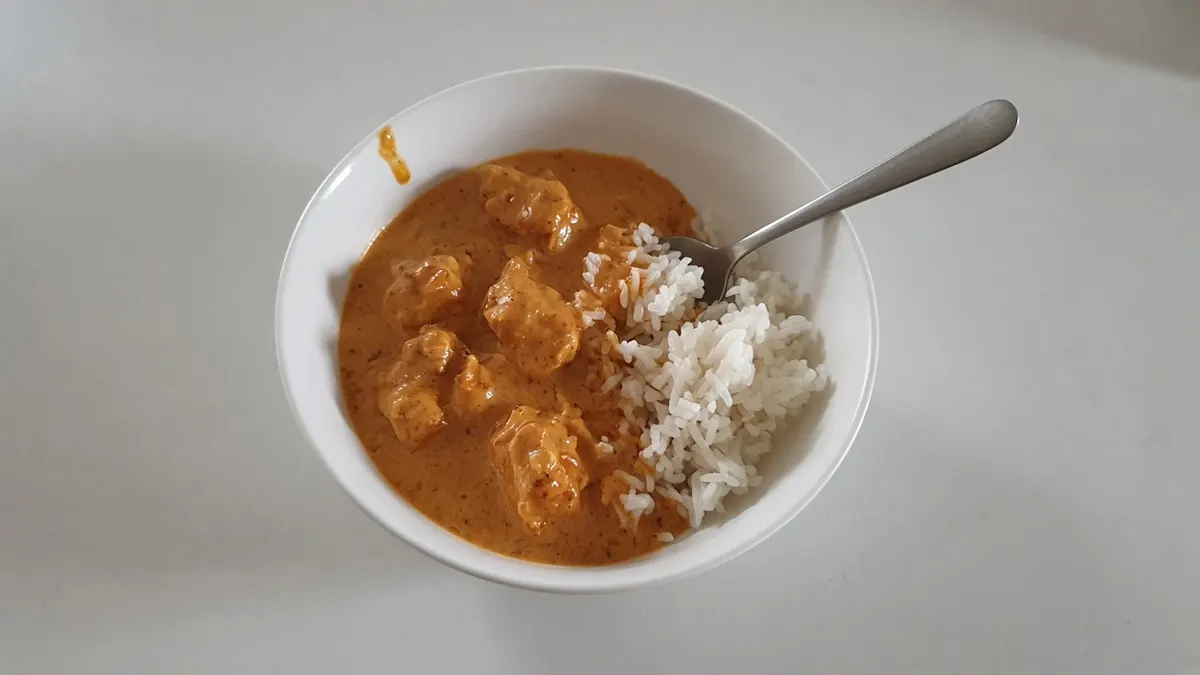
It pairs so well with a side of steamed rice and perhaps a simple green vegetable stir-fried with garlic,something about the combination just works perfectly to make a meal feel complete. Now, let's talk about why these ingredients make such a great team on the plate. The chicken, with its mild flavor, acts as the perfect canvas for the sauce. Frying the chicken chunks after coating them in a batter made with self-raising flour, cornflour, and chilled soda water ensures they achieve that sought-after crispiness. This texture is crucial because the crunch of the chicken provides a delightful contrast to the velvety sauce poured over it.
The sauce itself is a work of art, combining sweet notes with just the right amount of tangy flavor. It's achieved by pairing sugar with vinegar, and the result is a harmonious balance that coats every piece of chicken with a glossy sheen. Add to that the red freshly ground black pepper and the trio of red chillies, which infuse the dish with warmth and depth. The peppers offer a bit of crunch, while the chillies add a layer of complexity and a gentle kick that warms you from the inside out. I like to think of the chillies as the secret ingredient that elevates the dish from being merely sweet to something with a lot more character.
The use of spring onions as a garnish isn't just for aesthetics; their slight sharpness and crunch complement the sauce's richness, rounding out each bite you take. Here are a few cooking tips from my own experiences in the kitchen. First, make sure the soda water is as cold as possible before you mix it with the flour and cornflour for the batter.
This helps the batter to puff up slightly when fried, creating a light and crispy coating for the chicken. Another trick is to fry the chicken in batches if your pan isn’t large enough; overcrowding the pan can lead to soggy pieces instead of the desired crispiness. And when it comes to the sauce, don’t shy away from tasting as you go. Depending on the ripeness of your chillies or the type of vinegar you use, you might want to adjust the sugar or vinegar quantities slightly to suit your preference. Sweet and sour chicken, though often associated with Chinese takeout, has an interesting background.
This dish is a classic example of how different cultures can influence culinary creations. The version many of us are familiar with actually originates from American Chinese cuisine rather than traditional Chinese. Early Chinese immigrants adapted their recipes to accommodate local tastes and available ingredients. Over time, dishes like sweet and sour chicken became a mainstay in Chinese restaurants across America, cherished for its bold flavors and contrasting textures. People often make sweet and sour chicken because it represents a fusion of flavors that work together beautifully, offering a little bit of everything: sweet, spicy, tangy, and savory.
It's a dish that encourages communal eating, making it a popular choice for family-style dining where everyone can help themselves. Plus, given its origins as a restaurant staple, there's a certain satisfaction in being able to recreate this dish at home. It feels like bringing a piece of that restaurant experience into your kitchen, complete with the comforting knowledge that you can tweak the recipe until it matches your personal taste perfectly.